
The Evidence: Why Exercise Works
Diabetes and Metabolic Health
Falls prevention and healthy ageing
Diabetes and Metabolic Health

Type 2 diabetes is a major contributor to disease burden in Australia, with physical inactivity being a key risk factor.
Exercise is recognised as a first-line treatment for both type 1 and type 2 diabetes, helping improve blood glucose control, insulin sensitivity, weight management, and cardiovascular health.
Exercise physiology programs are individually tailored to diabetes type, medications, and fitness levels, with blood glucose monitoring incorporated where appropriate to ensure safe participation.
Cardiovascular Disease
Falls prevention and healthy ageing
Diabetes and Metabolic Health

Exercise is a recognised first-line treatment for many cardiovascular conditions and plays a key role in improving health outcomes. ESSA’s position statement on chronic heart failure confirms that regular exercise is safe and effective for people living with heart failure.
Current cardiac rehabilitation guidelines from the Cardiac Society of Australia and New Zealand support structured exercise for conditions such as atrial fibrillation, heart failure, hypertension, and recovery following cardiac events. Benefits include improved aerobic capacity, reduced symptoms, fewer hospital readmissions, and enhanced long-term survival.
Exercise physiology programs should commence with a comprehensive clinical assessment to determine a safe exercise threshold and ensure exercise prescription is tailored to the individual's condition, functional capacity, and risk profile.
Falls prevention and healthy ageing
Falls prevention and healthy ageing
Falls prevention and healthy ageing
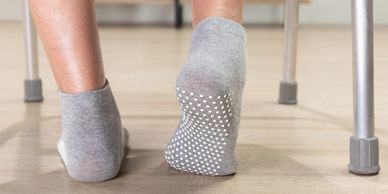
Falls are the leading cause of injury-related hospitalisation in Australians over 65. Research shows that structured exercise programs combining balance, strength, and functional training are the most effective way to reduce falls risk.
ESSA has a formal position statement on exercise and falls prevention in older people, confirms that targeted exercise can significantly decrease both falls and fall-related injuries.
Exercise physiology programs focus on improving balance, lower-limb strength, and functional mobility through safe, progressive training tailored to individual needs and goals, helping maintain independence, confidence, and the ability to perform everyday activities safely.
Neurological Conditions
Falls prevention and healthy ageing

Exercise is an evidence-based treatment for many neurological conditions, including Parkinson’s disease, multiple sclerosis (MS), dementia, and stroke.
Research shows that regular exercise can help manage symptoms, improve function, and potentially slow disease progression.
For Parkinson’s disease, exercise can reduce motor symptoms and enhance quality of life, while for MS it improves fatigue, mobility, and mental wellbeing. Following stroke, graded exercise supports functional recovery. Neurological exercise programs should be tailored to the condition, with appropriate load management and safety monitoring.
Osteoporosis
Targeted resistance and weight-bearing exercise can significantly improve bone health in people with osteopenia and osteoporosis. Research, including the LIFTMOR trial (known as the Onero program), found that supervised high-intensity resistance and impact training improved bone mineral density at the lumbar spine and femoral neck, while also enhancing strength, balance, and functional performance.
The study reported high adherence and very low rates of adverse events, demonstrating that appropriately supervised exercise is both safe and effective for osteoporosis management.
NDIS and disability
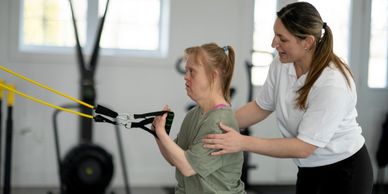
Exercise Physiology is funded under the NDIS Capacity Building supports and can help participants improve functional capacity, independence, and wellbeing.
Evidence shows that accredited exercise physiologists support positive outcomes across a wide range of disabilities, including neurological, intellectual, musculoskeletal, and metabolic conditions.
Participants who engage in regular capacity-building physical activity often report improved social participation and quality of life. As a registered NDIS provider, ExHealth delivers personalised exercise programs aligned with individual NDIS goals, support needs, and plan categories.
Mental Health
Workcover rehabilitation
Workcover rehabilitation

Exercise is a well-established treatment for anxiety and depression, with strong evidence supporting its role in improving mood, reducing stress, and enhancing overall wellbeing.
Exercise physiology is recognised as an important component of mental health care and can also support WorkCover recovery by rebuilding confidence and return-to-work readiness.
Programs are tailored to the individual, focusing on sustainable behaviour change, gradual progression, and long-term health rather than fitness targets
Workcover rehabilitation
Workcover rehabilitation
Workcover rehabilitation

Exercise physiology is an approved service within the Victorian Workers’ Compensation Scheme and plays an important role in recovery and return to work.
Evidence shows that early, graded return to appropriate work improves physical and mental health outcomes, while prolonged absence can delay recovery.
Exercise physiology programs use evidence-based practice, measurable outcomes, and collaboration with healthcare providers, case managers, and employers to support functional recovery and safe return-to-work goals.